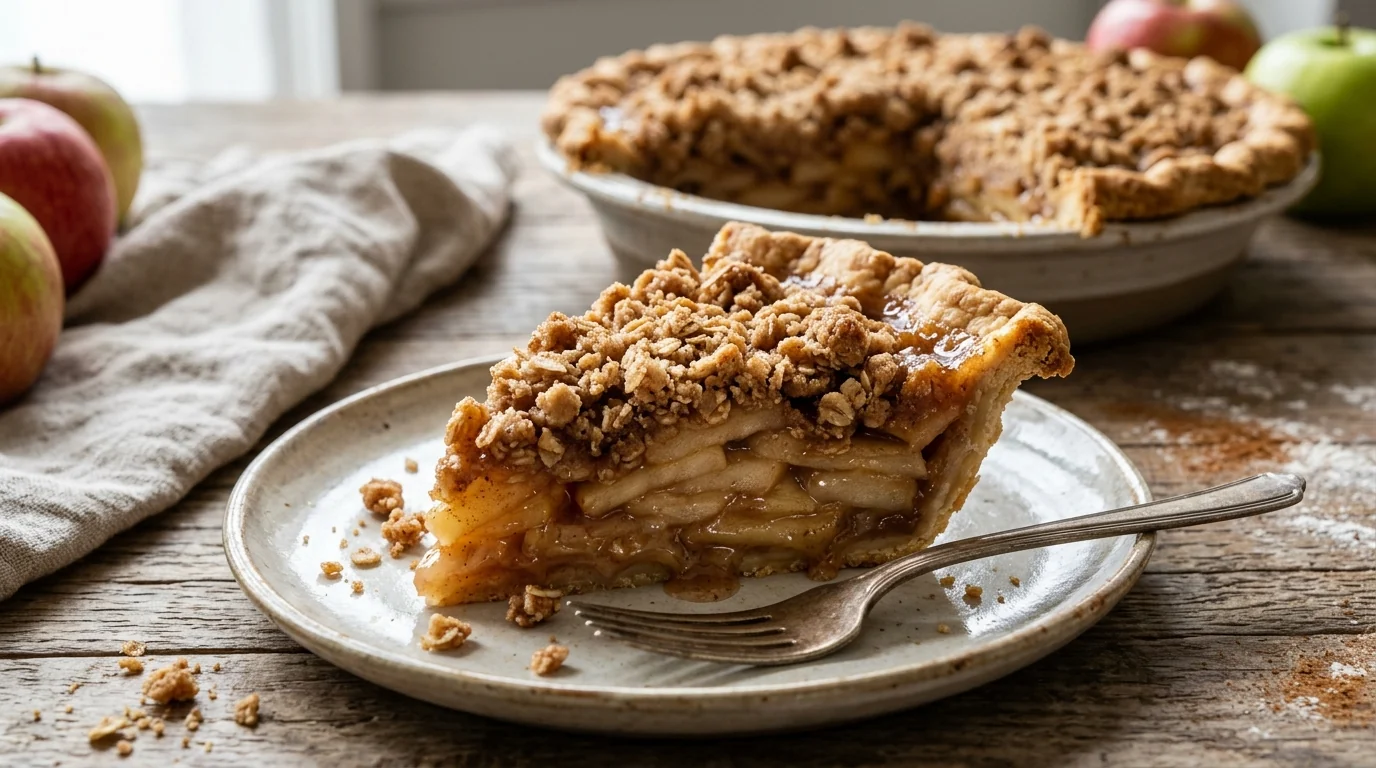
Apple pie can be both sturdy enough to slice and tender enough to spoon. Cinnamon-scented apples cook beneath a buttery oat crumble, which gives a welcome contrast to the flaky bottom crust.
Rather than relying on a long list of special ingredients, this approach pays attention to the details that matter: a mix of tart and sweet firm apples gives balanced flavor and structure. The recipe below gives a practical ingredient list, a clear cooking sequence, and the small adjustments that help it work in a real home kitchen.
The cooking idea behind Old-Fashioned Apple Pie
A mix of tart and sweet firm apples gives balanced flavor and structure. Dessert baking depends on the balance between moisture, sugar, fat and structure. Fruit fillings thicken as their starch cooks; custards set as eggs heat; cakes rise when leavening releases gas before the crumb firms. For old-fashioned apple pie, that principle guides the steps that follow.
Shield crust rim if it browns before the fruit cooks through. That is especially relevant here because the way you handle the ingredients before the final cooking stage affects both flavor and texture. Read through the method once before beginning so you can anticipate the moments that need attention.
Ingredients for Old-Fashioned Apple Pie
For old-fashioned apple pie, these are the quantities for one home-kitchen batch. Measure everything before you start, especially 2 1/2 cups all-purpose flour. A different grain, flour, cut of meat or dairy product may change the result, so use the listed measurements on the first attempt.
- 2 1/2 cups all-purpose flour
- 1 cup cold butter, divided
- 1/4 cup ice water, as needed
- 6 medium baking apples, peeled and sliced
- 1/2 cup granulated sugar
- 1/3 cup brown sugar
- 2 tsp cinnamon
- 2 tbsp lemon juice
- 2 tbsp cornstarch
- 1/2 cup old-fashioned oats
- 1/4 tsp salt
Shopping thoughtfully for Old-Fashioned Apple Pie
When shopping for old-fashioned apple pie with cinnamon crumble topping, focus first on the ingredients that define the dish rather than replacing several things at once. 2 1/2 cups all-purpose flour is particularly worth checking for freshness and suitability, and 1/4 tsp salt should be measured according to the recipe instead of added automatically. A short written list prevents having to change the plan midway through cooking. If you need to substitute, choose something with a comparable amount of moisture, fat or acidity, depending on the role of the ingredient. A thick dairy product behaves differently from milk, and dried herbs are not interchangeable measure-for-measure with a large bundle of fresh greens. The goal is to preserve the balance, not to match every ingredient by name. Shield crust rim if it browns before the fruit cooks through. When a different ingredient changes cooking time or texture, use the doneness signals given in the instructions and pause to evaluate before adding more liquid or heat.
Choosing and preparing the ingredients
2 1/2 cups all-purpose flour: Measure dry ingredients carefully. Flour and starch provide structure or thickening, so changes to their amount can noticeably alter how the finished dish sets. For old-fashioned apple pie, this ingredient joins 1 cup cold butter in the final balance.
1 cup cold butter: Fat carries flavor and helps with browning. If using butter over sustained heat, watch for dark flecks and lower the flame before they turn bitter. For old-fashioned apple pie, this ingredient joins 1/4 cup ice water in the final balance.
1/4 cup ice water: Broth or stock affects both salt level and intensity. Start with a lower-sodium version so a sauce can reduce without becoming too salty. For old-fashioned apple pie, this ingredient joins 6 medium baking apples in the final balance.
6 medium baking apples: Produce quality matters here: choose pieces that are firm, fragrant and free of spoilage. Wash and dry as needed, especially before roasting or sautéing. For old-fashioned apple pie, this ingredient joins 1/2 cup granulated sugar in the final balance.
1/2 cup granulated sugar: Sweeteners influence both flavor and browning. Watch the surface closely late in baking because a sugary coating can darken very quickly. For old-fashioned apple pie, this ingredient joins 1/3 cup brown sugar in the final balance.
1/3 cup brown sugar: Sweeteners influence both flavor and browning. Watch the surface closely late in baking because a sugary coating can darken very quickly. For old-fashioned apple pie, this ingredient joins 2 tsp cinnamon in the final balance.
2 tsp cinnamon: Seasoning should support the main ingredient rather than conceal it. Taste savory preparations before serving and add delicate spices with a light hand. For old-fashioned apple pie, this ingredient joins 2 tbsp lemon juice in the final balance.
2 tbsp lemon juice: An acidic ingredient adds contrast to rich, buttery or savory flavors. It should be noticeable enough to brighten the dish, not dominate it. For old-fashioned apple pie, this ingredient joins 2 tbsp cornstarch in the final balance.
2 tbsp cornstarch: Measure dry ingredients carefully. Flour and starch provide structure or thickening, so changes to their amount can noticeably alter how the finished dish sets. For old-fashioned apple pie, this ingredient joins 1/2 cup old-fashioned oats in the final balance.
1/2 cup old-fashioned oats: Starches absorb moisture as they rest and cook. Follow the recipe’s specific timing and liquid balance rather than swapping types without adjustment. For old-fashioned apple pie, this ingredient joins 1/4 tsp salt in the final balance.
1/4 tsp salt: Seasoning should support the main ingredient rather than conceal it. Taste savory preparations before serving and add delicate spices with a light hand. For old-fashioned apple pie, this ingredient joins 2 1/2 cups all-purpose flour in the final balance.
How to make Old-Fashioned Apple Pie
Have the pan or pot ready and ingredients prepared in the order used for old-fashioned apple pie. The first instruction is to heat oven to 400°F. Make dough from 2 cups flour, 3/4 cup cold butter, pinch salt and ice water. Work through the stages without rushing; careful mixing, browning or resting will often matter more than saving a minute.
- 1
Heat oven to 400°F. Make dough from 2 cups flour, 3/4 cup cold butter, pinch salt and ice water.
Allow the oven time to reach its set temperature before the pan goes in; an oven that is still warming changes both the browning and the timing. Position the rack so there is room above the dish and check that your baking vessel suits the heat. With old-fashioned apple pie with cinnamon crumble topping, the sequence matters because you will soon need to chill dough 30 minutes.
- 2
Chill dough 30 minutes, then roll out and fit a 9-inch pie dish.
Use the look and feel of the dough as your guide. Room temperature and flour absorption change the pace, so a soft, extensible dough is more useful than a rigid minute count. A lightly floured work surface is preferable to adding handfuls of extra flour. For old-fashioned apple pie with cinnamon crumble topping, check this before moving on to toss apples with granulated sugar.
- 3
Toss apples with granulated sugar, cinnamon, lemon and cornstarch.
Move to the next stage only after checking how the ingredients look and feel. Keep the pan at a controlled heat, notice changes in aroma or texture, and adjust gently rather than trying to rush the process. Notice this change carefully in old-fashioned apple pie with cinnamon crumble topping before you fill pastry and make crumble from remaining flour.
- 4
Fill pastry and make crumble from remaining flour, brown sugar, oats and cold butter.
Listen for a steady sizzle rather than violent sputtering. Color develops when surface moisture cooks away, so resist stirring or turning continuously. Work in batches if the ingredients would otherwise cover the skillet in a thick layer. In old-fashioned apple pie with cinnamon crumble topping, the next move is to scatter crumble over apple filling and bake 20 minutes at 400°F; keeping the order steady helps.
- 5
Scatter crumble over apple filling and bake 20 minutes at 400°F.
Treat the suggested time as a checkpoint, not an automatic finish line. The important question is whether the center has reached the intended texture or safe temperature. If only the top is coloring, cover loosely and allow the interior more time. For old-fashioned apple pie with cinnamon crumble topping, this stage sets up the next task: reduce to 350°F and bake another 35–45 minutes until fruit is bubbling.
- 6
Reduce to 350°F and bake another 35–45 minutes until fruit is bubbling.
Treat the suggested time as a checkpoint, not an automatic finish line. The important question is whether the center has reached the intended texture or safe temperature. If only the top is coloring, cover loosely and allow the interior more time. With old-fashioned apple pie with cinnamon crumble topping, the sequence matters because you will soon need to cool at least 2 hours for neater slices.
- 7
Cool at least 2 hours for neater slices.
This pause changes how the dish serves: juices redistribute, starches settle, and hot fillings become less runny. Keep an eye on safe food handling and transfer perishables to refrigeration promptly rather than leaving them on the counter for extended periods. A final reminder for old-fashioned apple pie with cinnamon crumble topping: shield crust rim if it browns before the fruit cooks through.
What to look for as it cooks
Cooling is part of the recipe rather than a delay. Pies and cheesecakes slice better once their fillings settle, while warm crisps and cobblers benefit from a shorter rest to let juice thicken. This matters particularly for old-fashioned apple pie, where shield crust rim if it browns before the fruit cooks through.
A mix of tart and sweet firm apples gives balanced flavor and structure. When deciding whether to move on, use smell, texture and appearance in combination with a thermometer for cooked meats. Note how the surface changes as moisture evaporates: a little concentrated flavor is welcome, but darkening too rapidly is a cue to lower the heat or shield the pan.
Common mistakes to avoid with Old-Fashioned Apple Pie
Oven temperatures vary, and visual signals matter alongside timing. Bubbling fruit, gently set custard edges or a cake center that springs back reveal more than a strict minute count. With old-fashioned apple pie, a mix of tart and sweet firm apples gives balanced flavor and structure.
For old-fashioned apple pie, a useful final check is to cool at least 2 hours for neater slices. That is the moment to notice whether the ingredients need slightly different seasoning, moisture or rest time, rather than making several changes at once. Adjust in small increments and recheck the result.
Adaptations that keep the flavor in balance
Add a pinch of nutmeg or finely grated lemon zest. This is a useful direction if you want to adjust the meal for what is already in the pantry, while keeping the main character of old-fashioned apple pie with cinnamon crumble topping. Think about moisture and sweetness together; juicy fruit and extra syrup can change how the finished dessert sets.
For old-fashioned apple pie, changes should serve the main flavors rather than mask them. Keep 2 1/2 cups all-purpose flour at the center of the plan; adjust strong seasonings cautiously and serve toppings separately when family preferences differ. That preserves the dish while giving everyone some flexibility.
What to serve alongside Old-Fashioned Apple Pie
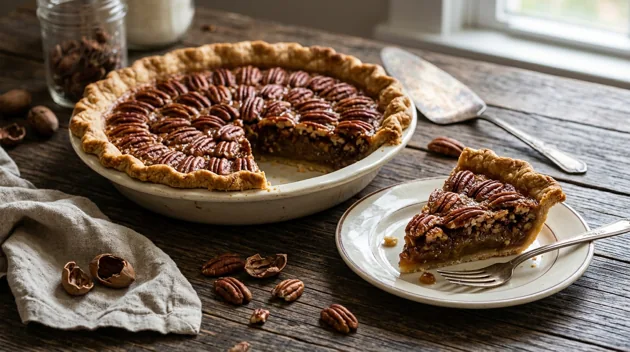
Keep the rest of the dessert plate straightforward; fresh fruit, coffee, or a small spoonful of unsweetened cream is often enough. If you are making a wider family spread, consider classic southern pecan pie with buttery homemade crust as another recipe in the same collection. The two dishes can inspire a menu even if you choose to prepare them on different occasions.
To serve old-fashioned apple pie without stress, choose a platter or bowl that fits the final texture. Gather utensils before the final step, follow the finishing instruction to cool at least 2 hours for neater slices, and bring accompaniments to the table at the appropriate temperature. It is an easy way to make serving smoother.
Make-ahead planning, leftovers and reheating
For old-fashioned apple pie, storage depends on the filling. Custards, cream cheese frostings and dairy-rich desserts require refrigeration; fruit crisps and unfrosted cakes have different needs. Keep perishable desserts chilled and follow standard food-safety guidance.
Shield crust rim if it browns before the fruit cooks through. Planning ahead for this recipe works best when you separate tasks that hold well from finishing steps that need immediate attention. Wash and chop sturdy vegetables, measure dry ingredients, or prepare components of sauces early; save crisp toppings, fresh herbs and final glazing until near serving time. Label stored portions with the preparation date.
Questions about making Old-Fashioned Apple Pie
How do I know when old-fashioned apple pie is ready?
For old-fashioned apple pie, the most dependable clue is the finished texture: Cooling is part of the recipe rather than a delay. Pies and cheesecakes slice better once their fillings settle, while warm crisps and cobblers benefit from a shorter rest to let juice thicken. Shield crust rim if it browns before the fruit cooks through. Use a food thermometer for meat and the visual signals described in the method for baked dishes.
Can I prepare part of the recipe the day before?
Yes, many prep tasks can be done ahead. Shield crust rim if it browns before the fruit cooks through. Hold perishable ingredients refrigerated, follow the sequence when cooking, and add fresh or crispy toppings close to serving.
What can I change without losing the character of the dish?
Add a pinch of nutmeg or finely grated lemon zest. For old-fashioned apple pie, make one adjustment at a time and keep the balance of 2 1/2 cups all-purpose flour and 1 cup cold butter, divided in mind.
What should I do if the finished texture seems wrong?
For old-fashioned apple pie, Oven temperatures vary, and visual signals matter alongside timing. Bubbling fruit, gently set custard edges or a cake center that springs back reveal more than a strict minute count. A mix of tart and sweet firm apples gives balanced flavor and structure. Check heat and moisture before making several changes at once.
How should I serve and store leftovers?
For old-fashioned apple pie, Keep the rest of the dessert plate straightforward; fresh fruit, coffee, or a small spoonful of unsweetened cream is often enough. Storage depends on the filling. Custards, cream cheese frostings and dairy-rich desserts require refrigeration; fruit crisps and unfrosted cakes have different needs. Keep perishable desserts chilled and follow standard food-safety guidance.
A meal worth bringing to the table
Old-Fashioned Apple Pie with Cinnamon Crumble Topping is a reminder that classic home cooking depends less on complicated tricks than on doing a few things carefully. Take the time to develop flavor, watch the texture, and serve it in the way that suits your table. The method is a starting point for a satisfying family meal, not a demand for perfection.
Looking for something to go alongside this dish? Find more ideas in Family Desserts.